What is an Industrial Robot?
- Share
- publisher
- RBTC team
- Issue Time
- Dec 6,2025
Summary
Discover how industrial robots are revolutionizing industrial automation with unparalleled precision and versatility, transforming industries from automotive to electronics.
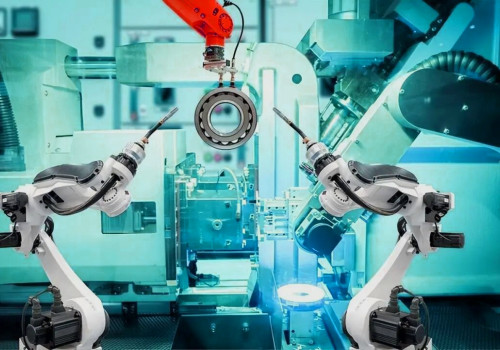
In today's rapidly advancing technological world, the term "industrial robots" is frequently mentioned. But what exactly are industrial robots, and why are they becoming increasingly essential in various industries?
This article explains the basics and applications of industrial robots, and why they’re the core of industrial automation.
Understanding Industrial Robots
Industrial robots are automated, programmable machines designed to carry out specific tasks in a manufacturing or production setting. Unlike traditional machinery, these robots are reprogrammable, adaptable to various tasks, and highly versatile in industry.
The Rise of Robotic Automation
Robotic automation refers to the use of robots to automate tasks that were traditionally performed by humans. This shift is driven by the need for increased productivity, precision, and efficiency in manufacturing processes.
With robotic automation, businesses can achieve higher quality products, reduce waste, and optimize their operations.
The Anatomy of a Robot Arm
A typical industrial robot comprises several key components, with the robot arm being the most recognizable.
The robot arm, also known as a manipulator, mimics the movement of a human arm and is responsible for interacting with the environment to perform tasks such as welding, painting, or assembly.
Six Axis Robots
This flexibility makes them ideal for complex tasks that require a high degree of precision, such as assembling intricate components or performing detailed welding.
Applications of Industrial Robots
The applications of industrial robots are vast, and their presence is felt across multiple industries. Here are a few examples of how industrial robots are transforming manufacturing:
Automotive Industry
The automotive industry was one of the first to adopt industrial robots. It uses these robot arms widely for tasks like welding, painting and assembling car parts. Robots' precision and speed ensure vehicles meet the highest quality standards.
Electronics Manufacturing
In the electronics industry, robots are essential for assembling delicate components like circuit boards. Robots in this sector cut down human error and ensure consistent product quality.
Food and Beverage Industry
Robotic automation is also making waves in the food and beverage industry. Robot arms handle packaging, sorting and even cooking, ensuring efficient, safe product preparation and delivery.
Pharmaceutical Industry
In the pharmaceutical industry, precision and hygiene are paramount. Robots handle prescription filling, medication packaging and dangerous substance handling, lowering contamination and human error risks.
The Benefits of Industrial Robots
The integration of industrial robots into manufacturing processes offers numerous advantages:
Increased Productivity: Robots can work continuously without breaks, significantly boosting production rates.
Improved Quality: With their precision and consistency, robots ensure that each product meets strict quality standards.
Enhanced safety: Robots replace humans to take over tedious, dangerous or repetitive tasks, reducing workplace injury risks.
Cost Savings: Though robotic systems require a high initial investment, long-term savings from higher efficiency and lower labor costs are substantial.
Challenges and Considerations
While the benefits of industrial robots are clear, there are also challenges to consider:
High Initial Investment
The cost of purchasing and installing industrial robots can be significant. Businesses must weigh the initial investment against the potential long-term savings and productivity gains.
Training and Maintenance
Operating and maintaining robotic systems requires specialized skills. Companies must invest in training their workforce to ensure that they can effectively manage and troubleshoot robotic systems.
Job Displacement Concerns
The rise of robotic automation has raised concerns about job displacement.
However, while robots may replace some manual tasks, they also create new opportunities for skilled workers in robot programming, maintenance, and management.
The Future of Industrial Automation
Emerging Technologies
Robots with AI and machine learning learn and adapt to new tasks faster. This advancement promises to further enhance the capabilities of industrial robots, making them an indispensable part of modern manufacturing.
Collaborative Robots
Collaborative robots (or cobots) work alongside humans, combining both strengths to boost productivity and safety. These cobots have sensors and safety features, letting them work safely alongside humans.
Conclusion
Industrial robots are transforming the landscape of manufacturing and production. With their ability to enhance productivity, improve quality, and reduce costs, they are an invaluable asset to any industry. As technology continues to evolve, the role of industrial robots in automation will only grow, opening up new possibilities for innovation and efficiency in the years to come.
As we embrace this robotic revolution, businesses need to stay informed and adaptable. This lets them use industrial robots' full potential to stay competitive in a changing industrial landscape.